

CHCs nationally
What is a CHC?
Since the nation’s first health Community Health Centers opened in 1965, expansion of the federally supported health center system to over 1,500 organizations operating over 17,000 sites has created an affordable health care option for up to 52 million people or up to 1 in 7 nationwide and up to 1 in 3 rural residents. Health centers provide care to all patients, regardless of ability to pay.
Health centers help increase access to crucial primary care by reducing barriers such as cost, lack of insurance, distance, and language for their patients. In doing so, health centers — also called Federally Qualified Health Centers (FQHCs) — provide substantial benefits to the country and its health care system.
America’s Health Centers are Drivers of Positive Health Outcomes
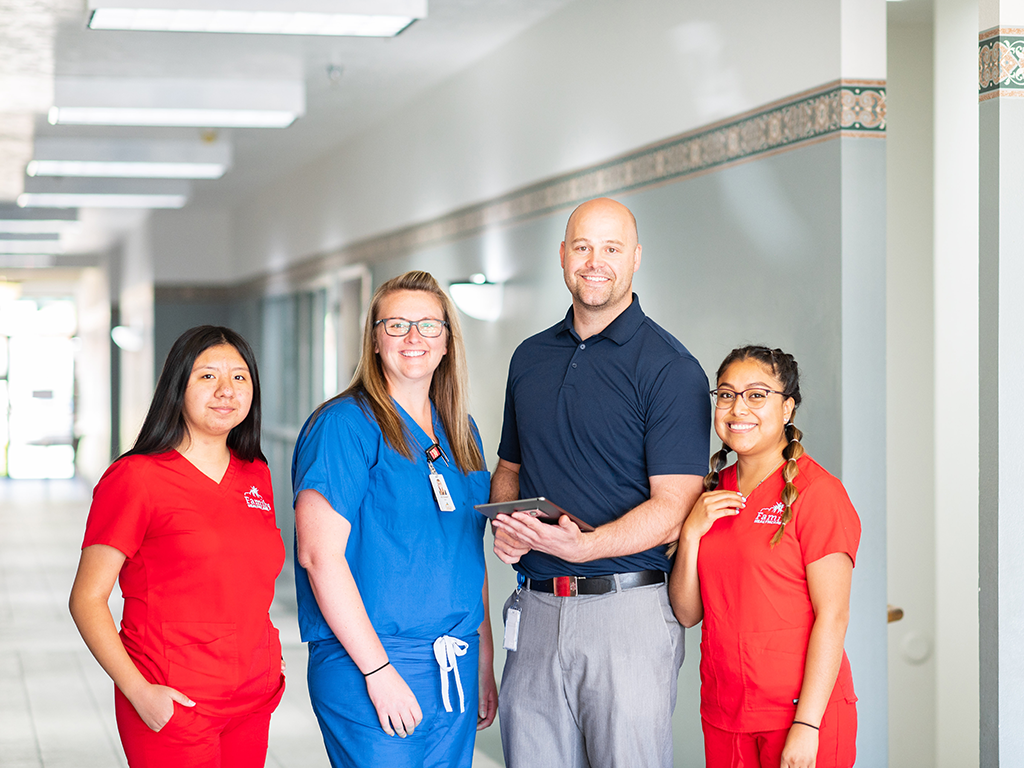
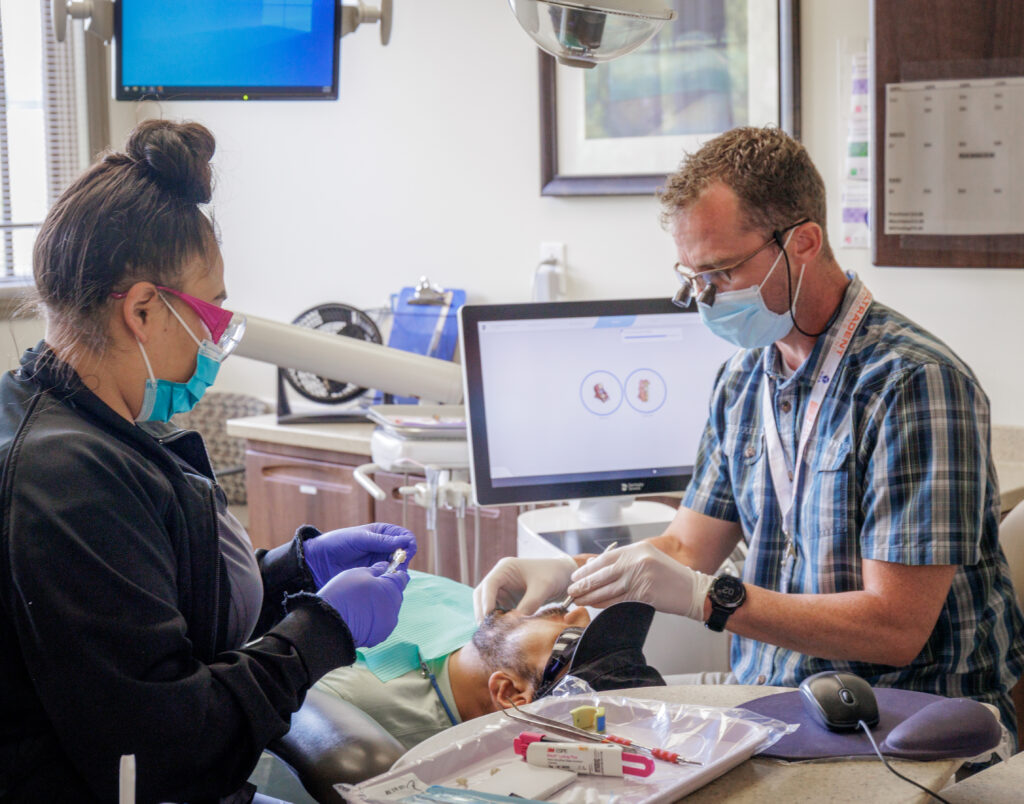
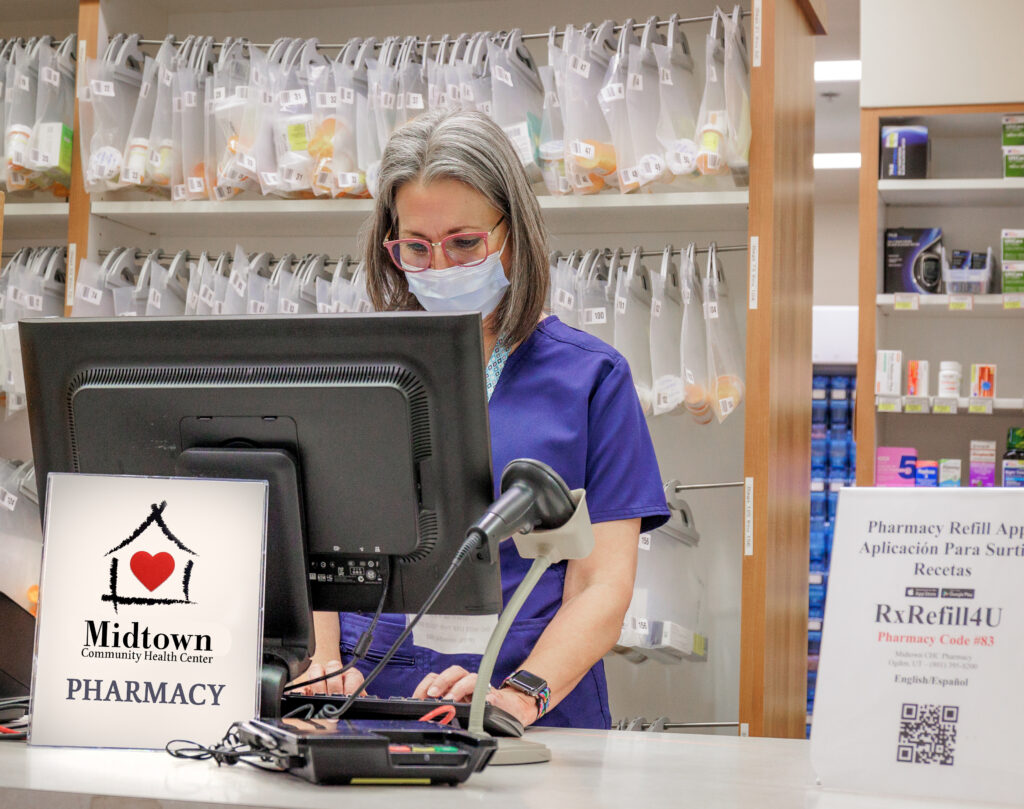
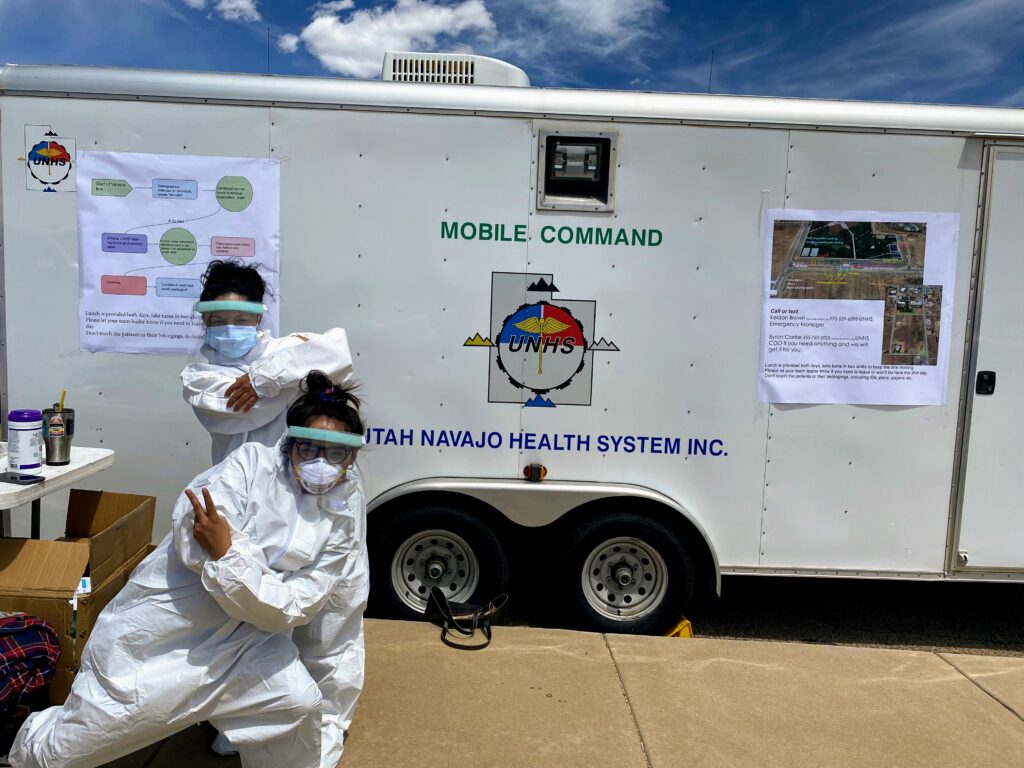
Since their inception in the 1960s, Community Health Centers have understood that where we live, work, worship and play affects our health, also known as non-clinical factors of health. Health centers are experts at reaching beyond the clinic walls to address the barriers to health and well-being their patients face.
- Health centers improve the health and well-being of communities while empowering people to become actively involved in solving issues unique to their needs and communities.
- Health centers are innovators, healers and problem solvers that reach beyond the walls of the conventional health care delivery system to prevent illness and address the factors that may cause poor health – diet, nutrition, mental illness, or homelessness.
- The health center mission to promote health care for all has become increasingly important in the fight against preventable diseases.
- Health centers work in partnership with health care payers, entire health care systems, the private sector, and the government on all levels to address and respond to the critical public health crises of our time, including:
- Public health crises
- Natural disasters and extreme weather events
- The national opioid crisis
- Maternal mortality and more
- Health centers employ over 326,000 clinicians and staff including many of our nation’s veterans.
- By mission and by law, health centers offer enabling services to assist patients with specific barriers to care, including:
- Transportation
- Translation
- Food security
- Accessing other social services
- Studies show the quality care health centers deliver is as good or even better than what patients may experience visiting a private practice, yet the range of services found under one roof is also affordable.
- Health center are partners in strengthening the economy. Health centers produce over $118 billion in economic output in the communities where they operate.